Asphalt Crack Sealing Gold Coast
Every crack in your asphalt or bitumen lets water into the base. Seal them now and you stop them turning into potholes and failed sections later.
Why crack sealing matters
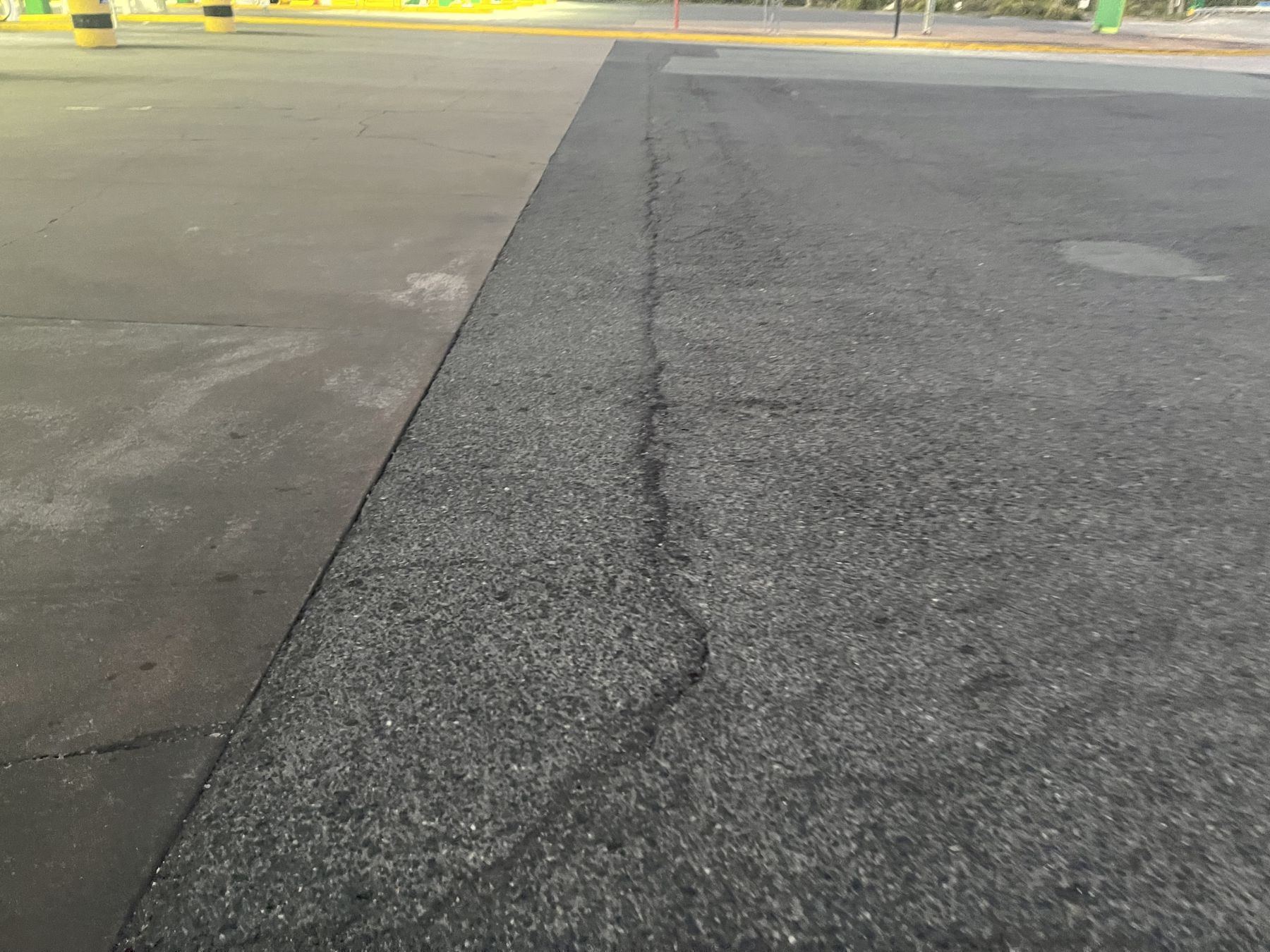
Asphalt is fairly waterproof. The base under it is not. Once cracks open up, rain runs straight through them into the crushed rock underneath, softening it and washing out the fine material that holds it together. Traffic then pushes the weakened surface down, the cracks spread, and the area eventually breaks up into potholes.
Sealing cracks early is the cheapest maintenance you can do on an asphalt driveway, car park or private road. It costs a fraction of a repair and adds years to the life of the surface. For property managers looking after large areas of asphalt on the Gold Coast, crack sealing is one of the best value jobs on the maintenance list.
Small cracks become big problems
A hairline crack does not look like much. But every wet season it lets a little more water in, and every hot summer the asphalt expands and contracts around it. The edges of the crack start to fray, loose stones break away, and the crack gets wider. Over time a single crack branches out into a pattern of cracks, then the surface between them breaks loose.
On the Gold Coast, heavy summer storms speed this up. A crack that would take years to fail in a dry climate can turn into a pothole in a single wet season here. If you notice cracks forming, it is worth getting them sealed sooner rather than later.
Why asphalt cracks in the first place
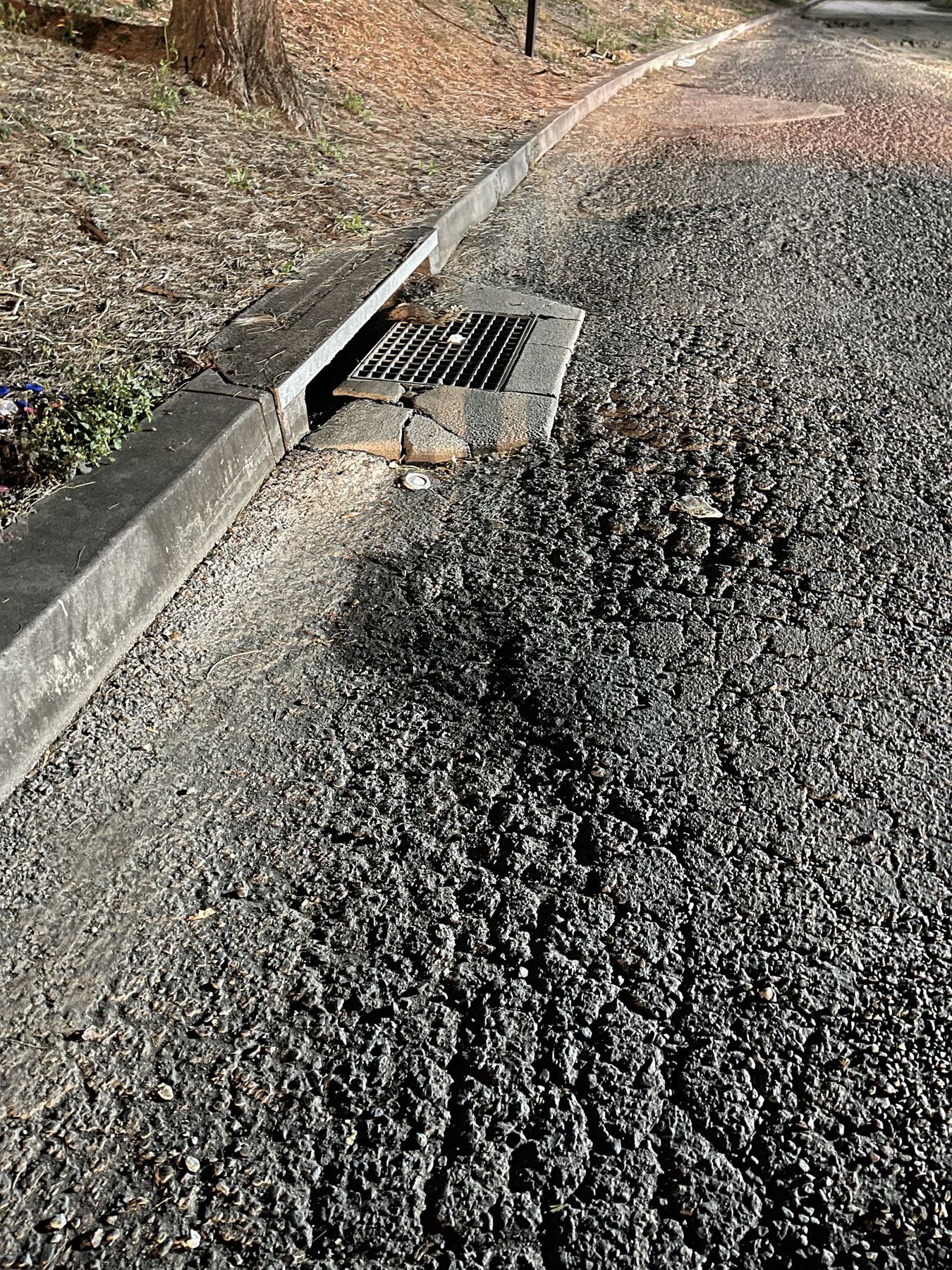
Age and sun are the biggest causes. The bitumen that binds asphalt together slowly hardens and becomes brittle as it ages under UV light and heat. Older asphalt cannot flex as much, so it cracks. Other common causes are movement in the base underneath, tree roots, heavy vehicles on a pavement that was built for cars, poor drainage, and joins where new asphalt was laid against old without being sealed properly.
Understanding the cause matters, because some cracks are a surface problem that sealing fixes well, and others are a sign the base has failed and needs repair.
How we seal cracks
Cracks are cleaned out with compressed air to remove dirt, weeds, sand and loose material. Sealant will only bond to a clean, dry crack. Wider cracks can be routed out to give the sealant a clean, even channel to grip.
Hot applied bitumen crack sealant is then run into the crack and finished at or just above the surface. Hot sealant stays flexible, so it moves with the asphalt through the heat of summer and the cooler months instead of cracking out. Most areas can be driven on shortly after the sealant has cooled.
When crack sealing is the right fix
Crack sealing works best on single cracks and joint cracks where the asphalt either side is still sound. Typical examples are cracks running along the length of a driveway, cracks along the edges of a car park, joins where new asphalt meets old, cracks along kerbs, and cracks around pits and drains.
If you can press on the asphalt either side of the crack and it feels solid, sealing is usually the right call.
When it needs more than sealing
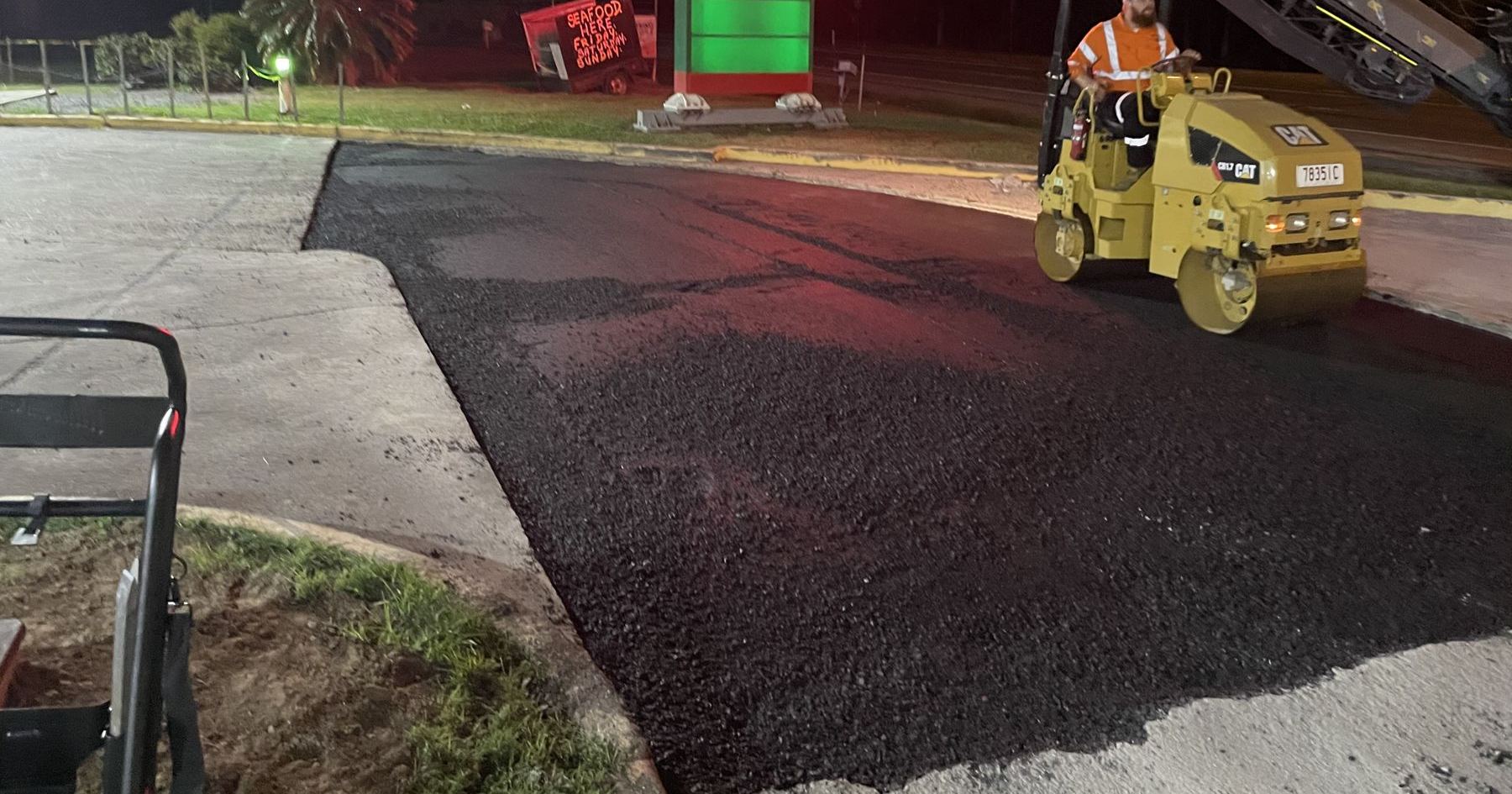
If the surface has crocodile cracking, which looks like scales or chicken wire, is sinking, is rutted, or is already breaking into loose pieces, the base underneath has usually failed. Sealing over the top will not save it, because the problem is below the surface. Those sections need to be cut out, the base fixed, and new hot mix laid.
When we quote, we walk the whole area and tell you which cracks will seal well and which areas need an asphalt repair. That way your money goes where it does the most good.
Crack sealing for car parks and commercial sites
Large asphalt car parks crack in predictable places: along joins, around drains and bin pads, at entries where vehicles turn, and along the edges where the pavement meets gardens or kerbs. Sealing those cracks every few years keeps water out of the base and protects a very expensive asset.
We can seal commercial sites in stages, out of trading hours where needed, and combine crack sealing with pothole repairs and patching in the same visit so you only set up traffic control once.
Crack sealing for home driveways
For an asphalt or bitumen driveway at home, sealing cracks early is the easiest way to avoid a big repair bill later. It is quick, clean and usually done in a single visit. If your driveway has a mix of cracks and a few small potholes, we can seal the cracks and patch the holes together so the whole drive is watertight again.
Areas we cover
We seal cracks in asphalt driveways, car parks, private roads, access roads, industrial yards, school and club grounds right across the Gold Coast.
Crack Sealing on the Gold Coast, done properly
Every job is cut out, rebuilt and finished in hot mix asphalt. Quotes are written and itemised, and sites are left clean.
Small jobs welcome
No repair too small.
Hot mix only
Permanent, compacted repairs.
Base fixed first
No patching over a soft base.
Written quotes
Fixed price before work starts.
Fast response
Hazards prioritised.
Whole region
Beachside and hinterland.
Other asphalt services on the Gold Coast
One crew for repairs, sealing, hazards and new work.
Emergency Repairs
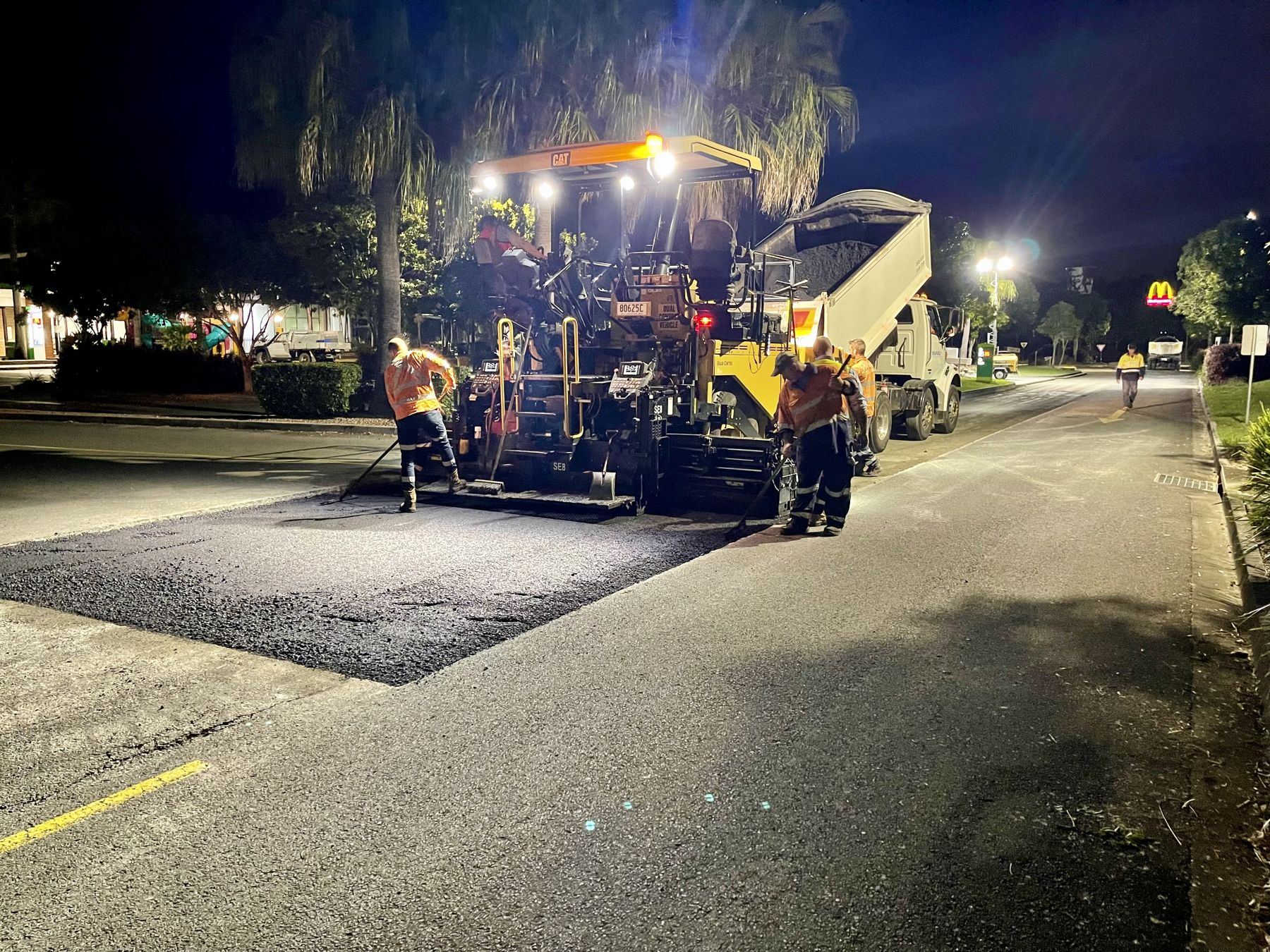
Potholes, collapses and broken entries that are a hazard right now. Made safe fast, after hours by arrangement.
Learn more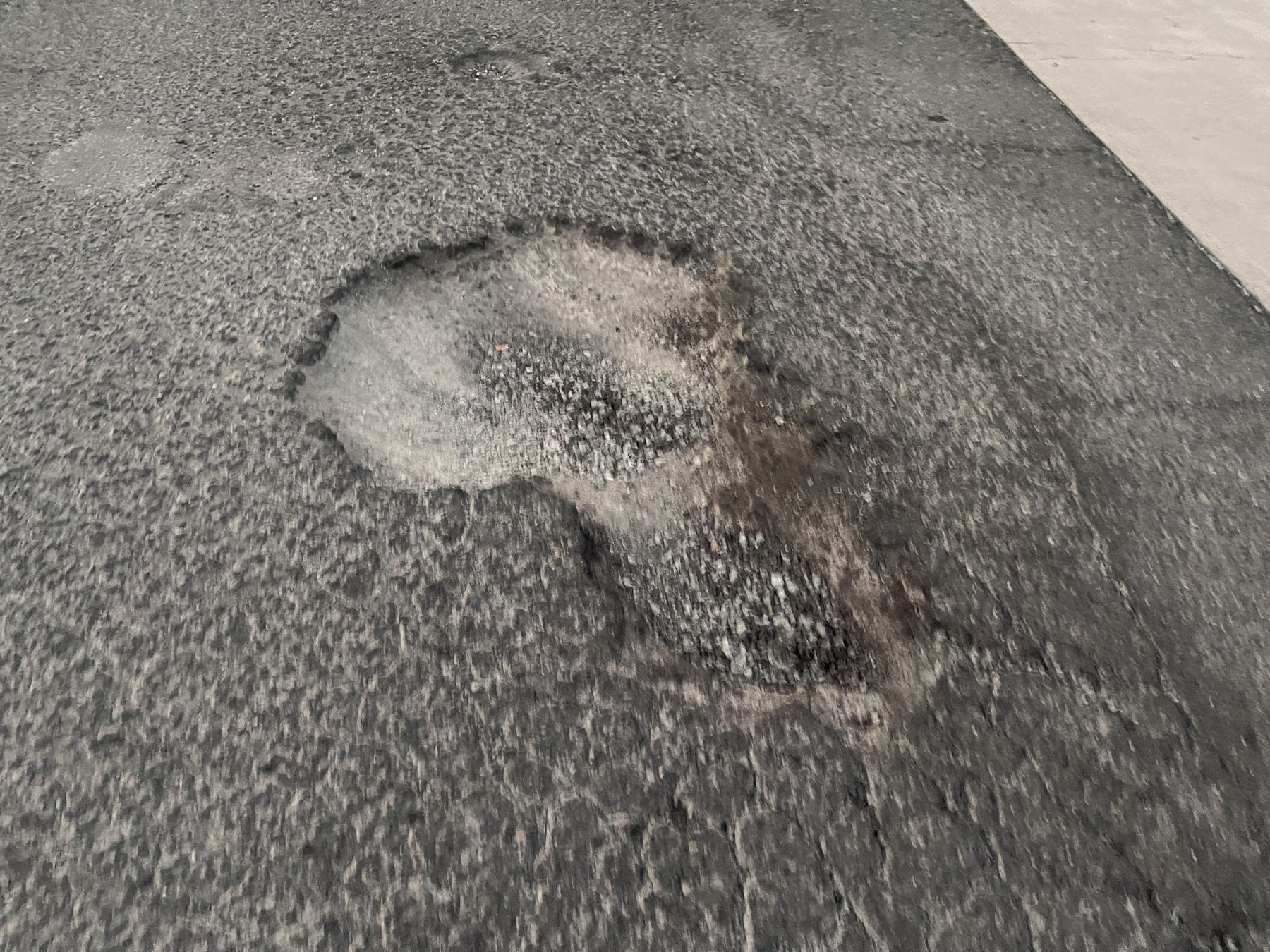
Asphalt Repairs
Potholes, broken driveways, failed patches and car parks cut out and rebuilt with hot mix so they last.
Learn more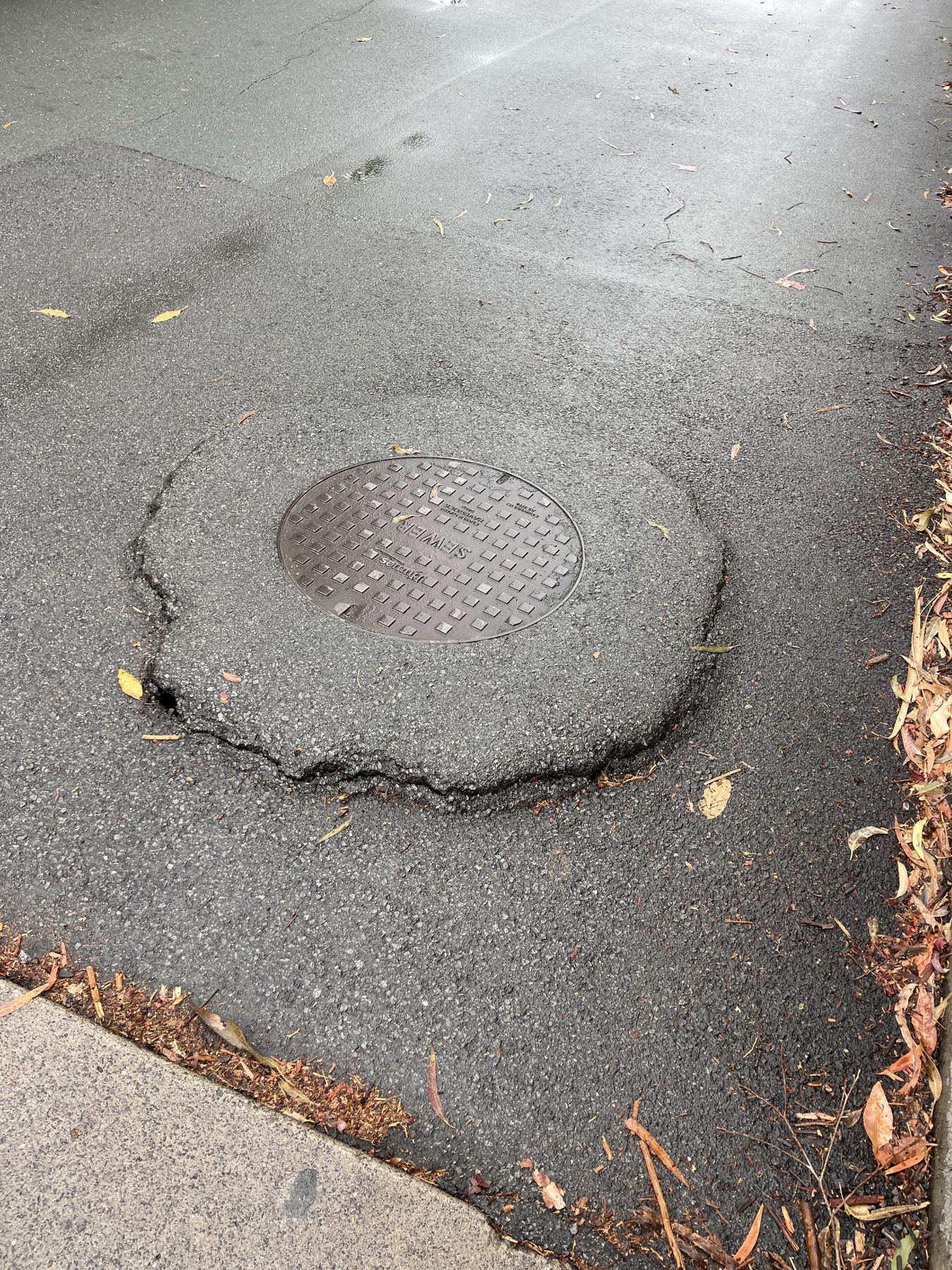
Trip Hazard Removal
Lifted asphalt, lips at joins, sunken patches and edges around pits made flush and safe again.
Learn more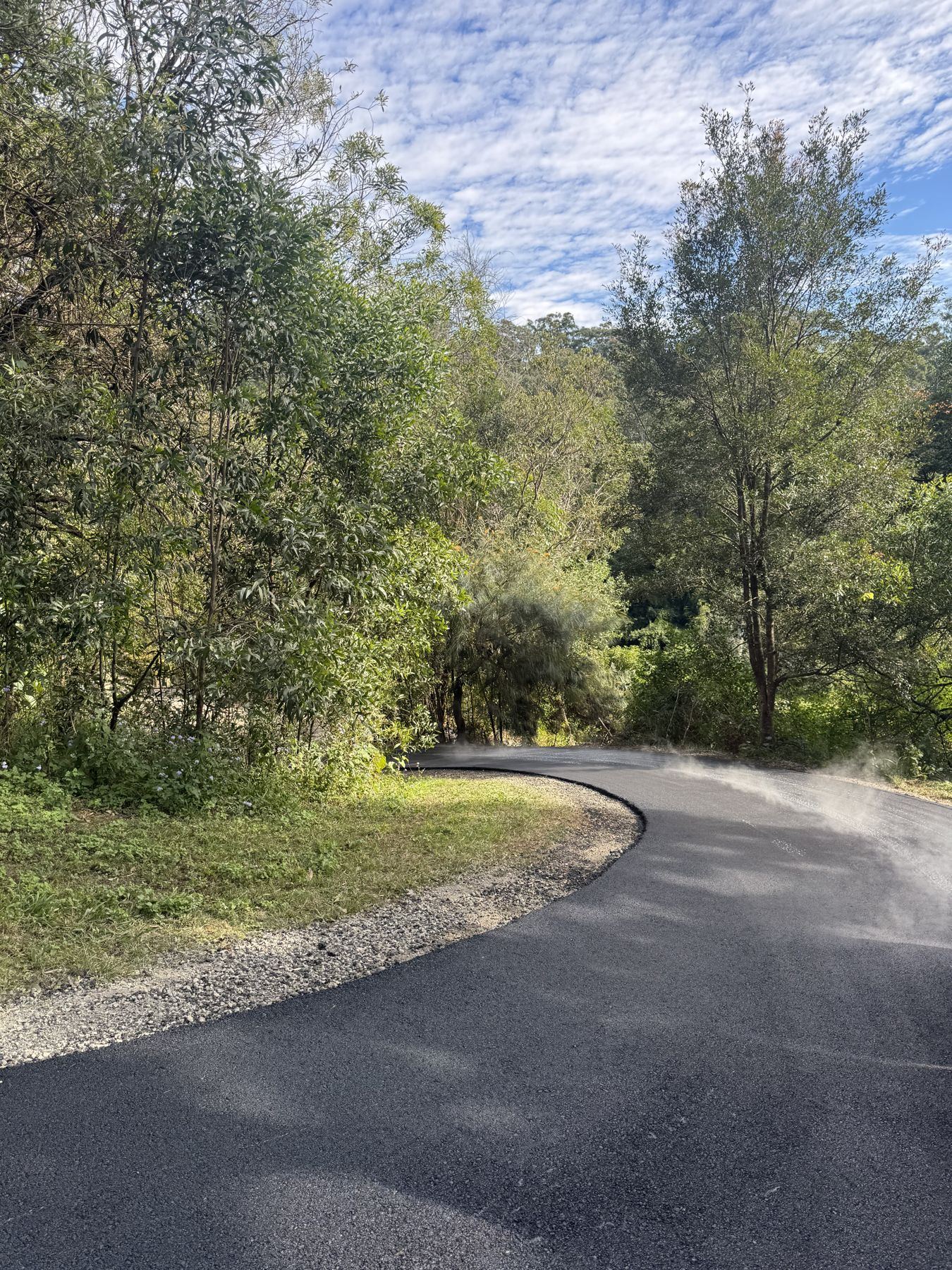
New Asphalt Works
New driveways, access roads, car parks and hardstands built on a properly prepared base.
Learn moreCrack Sealing FAQs
Straight answers to what people ask us most.
Is crack sealing worth it?
Yes. It costs far less than repairs and stops water getting into the base, which is the main cause of potholes.
How long does crack sealing last?
Hot applied sealant usually lasts several years. Checking and resealing every few years keeps the surface in good condition.
Can you seal crocodile cracking?
Not effectively. Crocodile cracking means the base has failed, so those areas need to be cut out and repaired instead.
How soon can I drive on it?
Usually shortly after the sealant cools. We will tell you on the day.
Can I seal cracks myself with a hardware store product?
You can fill small cracks as a stop gap, but cold pour fillers rarely bond or flex like hot applied sealant, and cracks need to be cleaned out properly first for any sealant to work.
Suburbs we service around the Gold Coast
The whole Gold Coast, from Coomera to Coolangatta and back into the hinterland. If your suburb is not listed, call us. We almost certainly cover it.
Get a fast quote
Call, text a photo or send the job details. Free written quotes anywhere on the Gold Coast. We quote the repair you need, not a resurface you do not.